Pulp Fiction Or Fact?
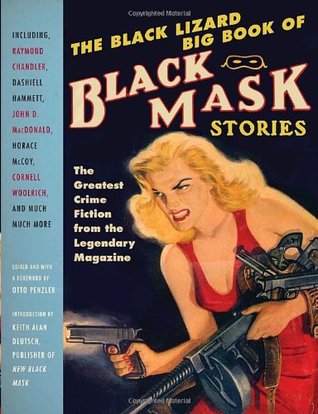
...my introduction to pulp fiction was the same as many people in my generation - through the film Pulp Fiction. When I first saw the movie, I had no yet had the connection between the film and a style of literature. It would be years later before I had seen the correlation between the Quentin Tarantino classic and the writings of Donald Westlake and publications like Strange Tales.
I started to become aware in college. In my Cinematography class, we had a writing project where we were tasked with writing a short research paper on a genre or sub-genre of film. At the time, I was very much into Italian horror and the works of Dario Argento. My paper was on giallo or gialli, a subset of Italian horror based on Italian pulp novels that were considered to be hyper-violent for the time period. Giallo, translated from Italian, means "yellow", the color of fear.
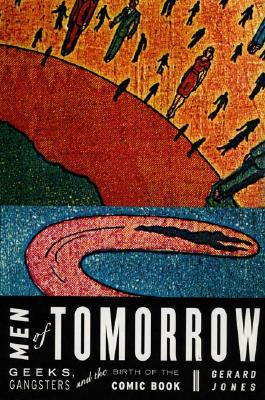
A few years later, I stumbled upon and quickly read my first non-fiction account of the history of comic books. Gerald Jones' Men Of Tomorrow: Geeks, Gangsters & The Birth Of The Comic Book is a deeply rich tale of how comic books were born of and thrived alongside the pulp magazine craze of the pre-World War II American household. The term "pulp fiction" was generated amongst the upper classes who looked down their nose at the working poor and considered their reading material to be low-brow. Being printed on a cheaper paper stock that would yellow over time (almost predicting the giallo craze), the term "pulp fiction" described both the genre of speculative fiction and urban crime as well as the low grade paper stock it was printed on.
As I became very interested in comic books 5 or 6 years ago, I found myself gravitating to writers over all else. A Batman book was good, but a Batman book written by Frank Miller or Brian Azzarello was far more intriguing. Brian Azzarello's 100 Bullets was especially intriguing for me. It was crafted in the same pulp style of Frank Miller's Sin City, but was simultaneously building a much bigger tale that was magnetic. As a result, I wanted to know who was influencing Brian Azzarello as a writer. As it should have been expected, his writing influences were mainly writers of classic noir - Jim Thompson, Donald Westlake and the like. As a ready-and-willing student, I sought out these authors of yore.
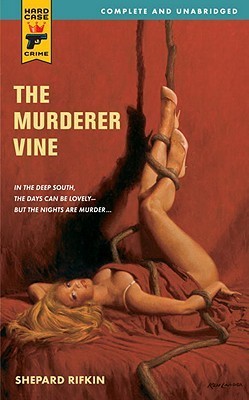
Recently, I began and quickly finished The Murderer Vine by Shephard Rifkin, another of the superb Hard Case Crime fiction paperbacks. In the great tradition of being considered by those not in the know, I found the book at a discounted price. Now having finished, it is a book I would have gladly paid full retail to own. Taking place during the civil rights era, the story happens to follow a bit of actual history. Private detective Joe Dunne gets offered an unseemly sum to travel to the deep South during the voter registration drive to investigate the possible murders of civil rights activist college students. Right away, the story almost seems to be aiming at something greater.
Without going into a full blown review, The Murderer Vine is a prime example of everything that I love about the pulp genre. The writing is crisp and very matter-of-fact, but never purposely dumbed down. Rifkin never shies away from bigger words and colorful sentences that bring this book to life. While this a shade darker of a story than the average detective murder mystery, the words beam off the page. This is a story that gave me the impression that the author was trying to get at something bigger about racism, cultural divide and violence that ultimately never escapes it's continuous cycle.
If you enjoy mysteries and thrillers, you owe it to yourself to investigate the Hard Case Crime published novels. They split the catalog between out-of-print classics and wholly original throwbacks and what I have read have all been outstanding. The beautifully painted covers harken back to the old pulp magazine style covers of The Shadow or True Crime Magazine. Many famous writers such as H.P. Lovecraft or Raymond Chandler got their start submitting to street level literary publications of this ilk. These books are enticing time capsules that deserve to be rediscovered.
Read: Flow My Tears The Police Man Said by Philip K. Dick
Listen: Baroness Yellow & Green
Watch: Pawn Stars
I started to become aware in college. In my Cinematography class, we had a writing project where we were tasked with writing a short research paper on a genre or sub-genre of film. At the time, I was very much into Italian horror and the works of Dario Argento. My paper was on giallo or gialli, a subset of Italian horror based on Italian pulp novels that were considered to be hyper-violent for the time period. Giallo, translated from Italian, means "yellow", the color of fear.
A few years later, I stumbled upon and quickly read my first non-fiction account of the history of comic books. Gerald Jones' Men Of Tomorrow: Geeks, Gangsters & The Birth Of The Comic Book is a deeply rich tale of how comic books were born of and thrived alongside the pulp magazine craze of the pre-World War II American household. The term "pulp fiction" was generated amongst the upper classes who looked down their nose at the working poor and considered their reading material to be low-brow. Being printed on a cheaper paper stock that would yellow over time (almost predicting the giallo craze), the term "pulp fiction" described both the genre of speculative fiction and urban crime as well as the low grade paper stock it was printed on.
As I became very interested in comic books 5 or 6 years ago, I found myself gravitating to writers over all else. A Batman book was good, but a Batman book written by Frank Miller or Brian Azzarello was far more intriguing. Brian Azzarello's 100 Bullets was especially intriguing for me. It was crafted in the same pulp style of Frank Miller's Sin City, but was simultaneously building a much bigger tale that was magnetic. As a result, I wanted to know who was influencing Brian Azzarello as a writer. As it should have been expected, his writing influences were mainly writers of classic noir - Jim Thompson, Donald Westlake and the like. As a ready-and-willing student, I sought out these authors of yore.
Recently, I began and quickly finished The Murderer Vine by Shephard Rifkin, another of the superb Hard Case Crime fiction paperbacks. In the great tradition of being considered by those not in the know, I found the book at a discounted price. Now having finished, it is a book I would have gladly paid full retail to own. Taking place during the civil rights era, the story happens to follow a bit of actual history. Private detective Joe Dunne gets offered an unseemly sum to travel to the deep South during the voter registration drive to investigate the possible murders of civil rights activist college students. Right away, the story almost seems to be aiming at something greater.
Without going into a full blown review, The Murderer Vine is a prime example of everything that I love about the pulp genre. The writing is crisp and very matter-of-fact, but never purposely dumbed down. Rifkin never shies away from bigger words and colorful sentences that bring this book to life. While this a shade darker of a story than the average detective murder mystery, the words beam off the page. This is a story that gave me the impression that the author was trying to get at something bigger about racism, cultural divide and violence that ultimately never escapes it's continuous cycle.
If you enjoy mysteries and thrillers, you owe it to yourself to investigate the Hard Case Crime published novels. They split the catalog between out-of-print classics and wholly original throwbacks and what I have read have all been outstanding. The beautifully painted covers harken back to the old pulp magazine style covers of The Shadow or True Crime Magazine. Many famous writers such as H.P. Lovecraft or Raymond Chandler got their start submitting to street level literary publications of this ilk. These books are enticing time capsules that deserve to be rediscovered.
Read: Flow My Tears The Police Man Said by Philip K. Dick
Listen: Baroness Yellow & Green
Watch: Pawn Stars


Comments
Post a Comment